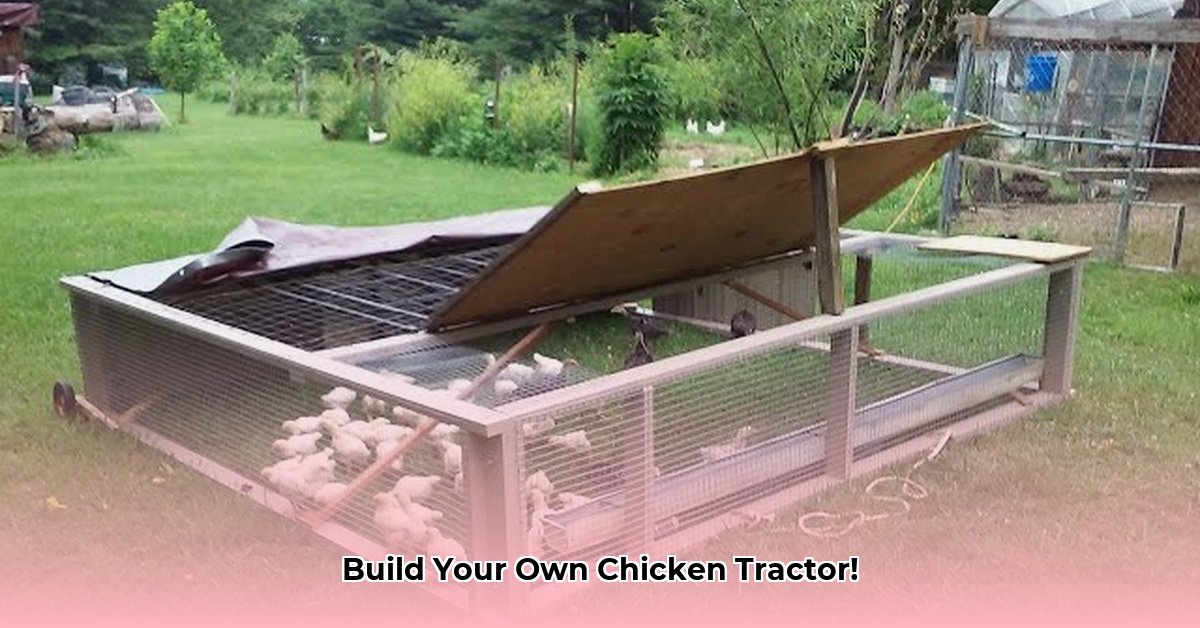
Want fresh, pasture-raised eggs and delicious chicken while minimizing your environmental footprint? Building your own Joel Salatin-inspired chicken tractor is a fantastic way to achieve this! For even more detailed plans, check out these easy chicken tractor plans. This guide provides step-by-step instructions, design comparisons, and valuable tips to help you build the perfect mobile coop for your needs, whether you're a seasoned farmer or a backyard homesteader.
Picking the Right Size: Small Flock or Big Flock?
Your chicken tractor's dimensions depend entirely on the size of your flock. A smaller coop (6 feet by 8 feet or 6 feet by 10 feet) comfortably houses 25-30 hens, while a larger design (12 feet by 12 feet) can accommodate up to 96. Consider your available space and the number of chickens you plan to raise. A smaller tractor is easier to manage in a small yard, while a larger one is better suited for expansive properties. The size directly impacts material costs and the effort required for relocation.
Choosing Your Materials: Budget vs. Durability
Material selection significantly affects both initial cost and long-term durability. Readily available lumber and wire mesh are affordable and easy to source, making them a popular choice for beginners. However, sturdier materials like heavy-duty metal offer increased longevity, though at a higher upfront cost.
Consider your budget and desired lifespan for your coop. You'll need to weigh the convenience of inexpensive materials against the long-term benefits of more durable ones. A robust build minimizes maintenance but demands a greater upfront investment.
Step-by-Step: Building Your Mobile Chicken Haven
Building a chicken tractor is surprisingly straightforward. Think of it as a large-scale, avian-friendly Lego project!
Step 1: The Foundation – Building the Frame: Begin by constructing a sturdy wooden frame. This forms the coop's backbone, so ensure it's perfectly square and level. An uneven frame will complicate subsequent steps.
Step 2: Walls and Roof – Protection from the Elements: Enclose the frame with plywood or a similar material for the walls. A secure roof protects your chickens from rain, sun, and potential predators. Think about using materials that will withstand the elements in your region.
Step 3: Flooring – Keeping it Clean: Wire mesh flooring allows droppings to fall through, simplifying cleaning. However, a solid floor with bedding offers better insulation and increased chicken comfort. You might also explore a removable floor for ultimate ease of cleaning, although this adds slightly to the construction complexity.
Step 4: Runs – Providing Space for Foraging: Attach wire mesh to create runs where your chickens can safely forage. Ample space is critical for happy, healthy chickens. The required run size depends on the number of chickens and the coop's dimensions. Don't skimp on this aspect!
Step 5: Doors and Ventilation – Ensuring Fresh Air: Install access doors for easy cleaning and egg collection. Adequate ventilation prevents moisture buildup, crucial for the chickens' respiratory health. Poor ventilation can lead to a range of health issues.
Step 6: Wheels or Skids – Enhancing Mobility: Attach wheels or skids to enable easy relocation of your coop. This is fundamental to the Salatin method’s pasture enrichment strategy. Ensure your chosen wheels or skids are robust enough to support the entire structure's weight.
Step 7: Final Touches – Adding Comfort and Functionality: Include roosting bars for sleeping and a nesting box for egg-laying. These small additions significantly enhance chicken comfort and productivity.
Weighing Your Options: Small vs. Large Chicken Tractor
This comparison aids in determining the best option for your needs:
| Feature | Small Coop (6x8 or 6x10 ft) | Large Coop (12x12 ft) |
|---|---|---|
| Upfront Cost | Lower | Higher |
| Building Time | Faster and easier | More complex and time-consuming |
| Mobility | Highly maneuverable | More challenging to move, may need assistance |
| Chicken Capacity | 25-30 hens | 96 hens or more |
| Maintenance | Less frequent and simpler | More frequent and potentially complex |
| Ideal For | Beginners, smaller spaces, fewer chickens | Experienced keepers, larger flocks, larger spaces |
Remember, a well-built chicken tractor is just one component of successful poultry keeping. Prioritize predator protection (secure roof, hardware cloth base), pasture management (regular relocation to prevent overgrazing), and maintaining your flock's health. Thorough research in these areas ensures your chickens thrive.
Key Considerations for Building a Cost-Effective Chicken Tractor
Building a chicken tractor doesn't have to break the bank! Careful planning and resourceful material sourcing can significantly reduce expenses. Consider the following:
- Resourcefulness: Utilize reclaimed lumber (pallets, old fence posts, etc.), reducing material costs significantly. Always ensure reclaimed wood is properly treated and free from harmful chemicals.
- Material Selection: Choose affordable yet durable materials. While expensive options enhance longevity, careful construction with readily available materials can produce a long-lasting coop.
- Prioritizing Safety: Invest in strong, predator-proof enclosures. Hardware cloth is essential for preventing losses due to predators.
- Efficient Design: Optimize your design to minimize material waste and construction complexity. A well-planned design makes the building process easier and more efficient.
By focusing on these key aspects, you can construct a successful chicken tractor without emptying your wallet.
Conclusion: Your Journey to Pasture-Raised Poultry Begins Now!
Building a chicken tractor is a rewarding project that fosters self-sufficiency, sustainability, and provides delicious, fresh eggs. Remember to plan meticulously, choose suitable materials, and prioritize your chickens' safety and well-being. Your journey towards fresh, pasture-raised poultry starts now!